
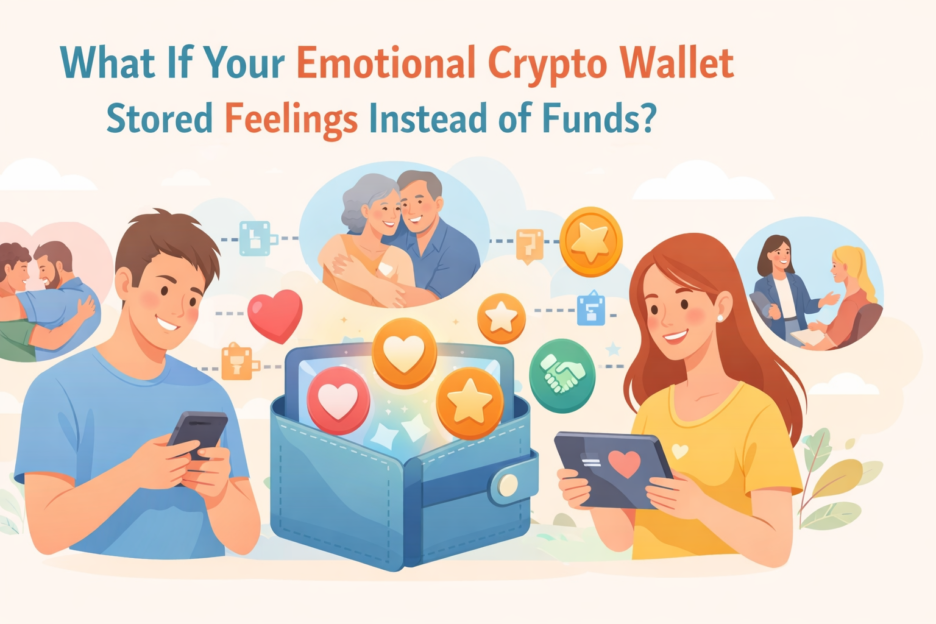

The internet has changed how people share emotions. We send likes, hearts, and reactions every day. But what if emotions could be stored permanently? This is where the idea of an Emotional Crypto Wallet comes in.
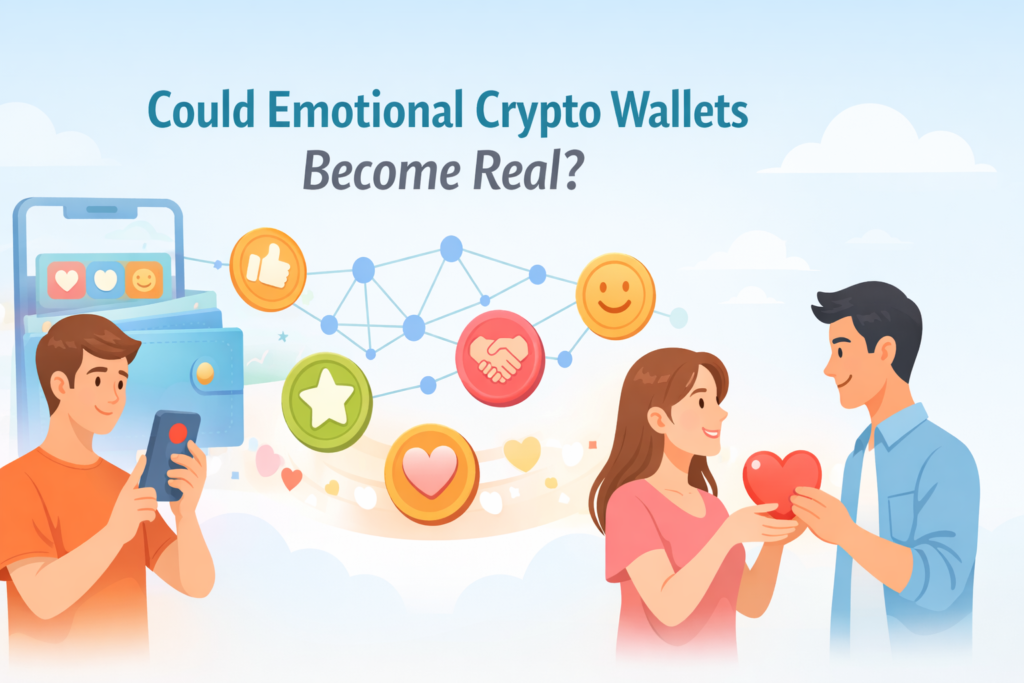
Instead of storing money, this type of wallet could store Emotional Crypto Tokens. These tokens would represent feelings such as gratitude, trust, love, or support. It may sound futuristic, but it raises an interesting question: What if emotions became digital assets on the internet?
In this article, we will explore what an Emotional Crypto Wallet is, why it could exist, how it might work, and the risks behind the idea.
What Is an Emotional Crypto Wallet?
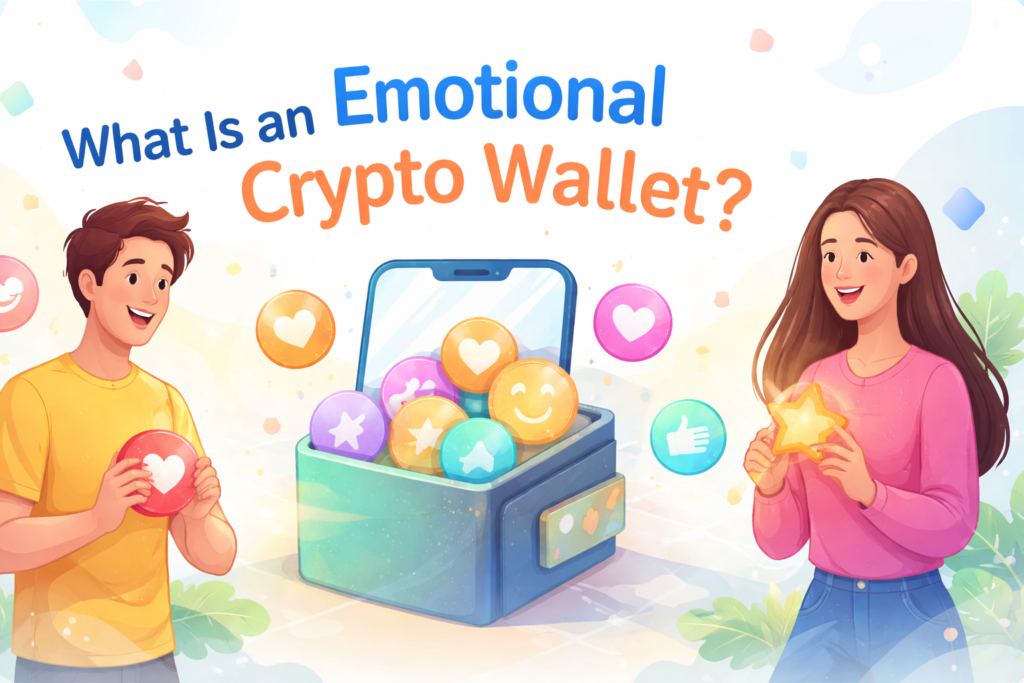
An Emotional Crypto Wallet is a concept where a digital wallet stores emotions instead of money. Traditional crypto wallets hold digital currencies. An emotional wallet would store tokens linked to feelings or experiences.
Each Emotional Crypto Token could represent a specific moment or emotion. Examples include:
- Gratitude for a friend
- Trust in a business partner
- Appreciation for a teacher
- Support for someone during a difficult time
These tokens could be stored on a blockchain-like system so that they remain secure and permanent. In simple terms, it would work like a digital memory bank for emotions.
Why Would Emotional Crypto Tokens Exist?
People already express emotions online. Social media platforms allow reactions like likes, hearts, and emojis. But these reactions disappear quickly. Emotional Crypto Tokens could create permanent emotional records.
Here are some possible reasons why this idea could emerge:
1. Digital Memory Preservation
Important emotional moments could be stored forever instead of getting lost in social feeds.
2. Stronger Online Relationships
Tokens could represent real appreciation or trust between people.
3. Emotional Value on the Internet
In the future, communities may value emotional support as much as financial value.
4. Personal Reflection
Users could review their emotional history and understand how they grow over time.
How Emotional Crypto Wallets Could Work
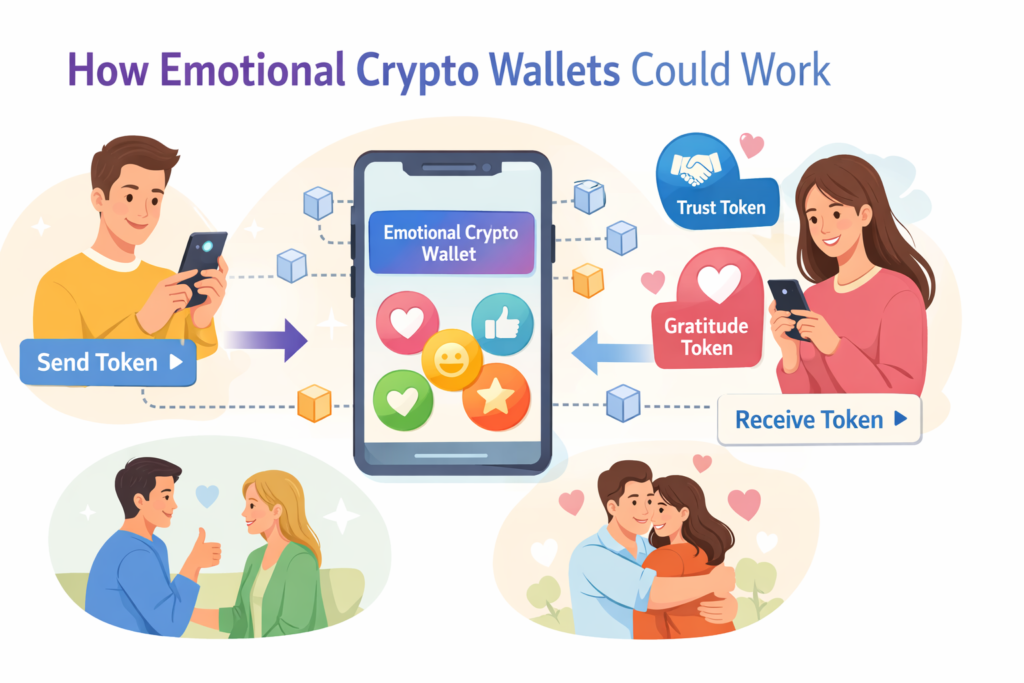
Even though this idea is theoretical, the system could work similarly to crypto wallets. Below is a simple step-by-step guide explaining how an Emotional Crypto Wallet might work.
Step 1: Create an Emotional Wallet
Users would create a wallet that stores emotional tokens. This wallet would track feelings instead of financial transactions.
Step 2: Generate Emotional Crypto Tokens
Users could create tokens based on emotions.
Examples:
- Gratitude Token
- Support Token
- Celebration Token
- Forgiveness Token
Each token could include:
- Emotion type
- Date and time
- Optional message
- Recipient name
Step 3: Send Emotional Tokens
Users could send emotional tokens to others as meaningful digital gestures.
For example:
- Send a gratitude token to a mentor
- Send a support token to a friend
- Send a celebration token for achievements
Step 4: Store Tokens on Blockchain
Each emotional transaction could be stored on a decentralized network. This would ensure the record cannot be changed or deleted.
Step 5: View Emotional History
The wallet dashboard could show a timeline of emotional interactions. Users could see their most shared emotions and important life moments.
Key Benefits of Emotional Crypto Wallets
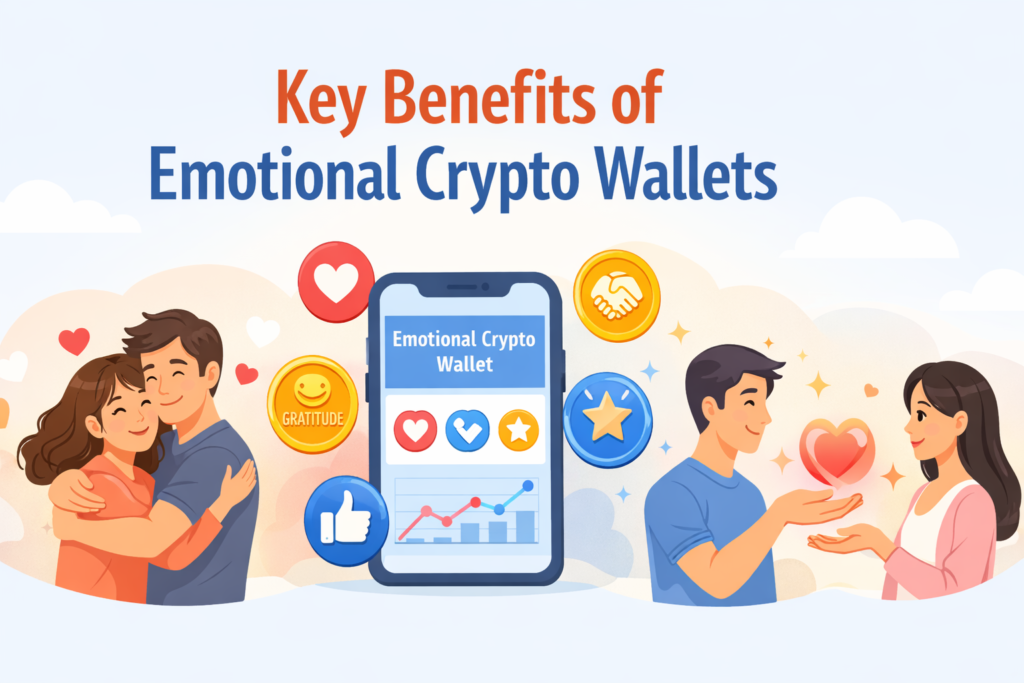
If developed properly, this system could offer several advantages.
1. Deeper Digital Communication
People could express feelings in a more meaningful way than simple reactions.
2. Ownership of Emotional Data
Users would control their emotional records instead of social media platforms.
3. Emotional Growth Tracking
The wallet could help people track their emotional patterns over time.
4. Meaningful Digital Gifts
Sending an emotional token could feel more personal than sending emojis or stickers.
5. Stronger Online Communities
Communities could use appreciation tokens to recognize helpful members.
The Dark Side of Emotional Crypto Tokens
Despite the benefits, this idea also raises concerns.
1. Privacy Risks
Emotional data is deeply personal. Storing it permanently could create privacy problems.
2. Emotional Manipulation
People might try to collect tokens for social status instead of genuine feelings.
3. Tokenizing Human Emotions
Reducing feelings to digital tokens could oversimplify human experiences.
4. Emotional Economy
If emotional tokens become tradable, emotions could turn into transactions. This could change how people interact online.
Could Emotional Crypto Wallets Become Real?
Right now, the idea is mostly theoretical. However, many digital trends once seemed strange before becoming common.
Examples include:
- Social media reactions
- Virtual gifts
- Digital collectibles
- NFTs
As AI and blockchain technology evolve, emotion-based systems could appear in specialized platforms.
Possible use cases include:
- Mental health apps
- Virtual communities
- Digital memorial platforms
- Online relationship platforms
FAQs About Emotional Crypto Wallets
What is an Emotional Crypto Wallet?
An Emotional Crypto Wallet is a concept where a digital wallet stores emotion-based tokens instead of money.
What are Emotional Crypto Tokens?
They are digital tokens that represent emotions such as gratitude, trust, appreciation, or support.
Are Emotional Crypto Wallets real?
Currently, they are a conceptual idea exploring how blockchain technology could store emotional experiences.
How could Emotional Crypto Tokens be used?
They could help people express appreciation, support others, and preserve meaningful emotional moments.
Are there risks with emotional token systems?
Yes. Privacy issues, emotional manipulation, and ethical concerns are the main risks.
Conclusion
The concept of an Emotional Crypto Wallet introduces a new way of thinking about digital value.
Instead of focusing only on money, it explores whether human emotions could become meaningful digital assets.
While the idea is still theoretical, it highlights an important shift in technology. The future internet may not only store data and money — it may also store human experiences and emotions.
And if that happens, Emotional Crypto Tokens could become one of the most unusual innovations of the digital age.